Cells. Grain. Pixels.
Notes on film, design, animation, and technology from a human-centered perspective.
(Typos are proof of humanity)
Is every man a little mermaid?
Even a good man can live for decades without noticing his pain. We live in a society that offers us endless ways of sedating ourselves.
Perhaps the most popular way a man hides from his pain is in the pursuit of status or wealth. If a man is successful enough he may never have to face his pain until he mumbles “Rosebud” on his deathbead.
To be a man pursuing extreme success is to be a little mermaid, but in reverse. This man has abandoned the world of messy human relationships and submerged himself in an ocean of numbers. Numbers are an opiate for his tired soul. He mainlines them every morning. They jet through his bloodstream. His followers. His views. His Kalshi trades. His dashboards. His tokens. His jaw ratio. When everything is quantitative, everything can be optimized and maximized. A man like this never has to feel his pain, never has to awaken to all the strange stories living inside of him.
Our culture has even created great number machines humming away in the desert. These machines provide men with the numbers they need to stay sane. But if the machines fail, if numbers no longer provide a man with the relief he seeks, apocalypse.
This is what our film The Rites of Man explores. It’s a darkly comedic and philosophical look at our algorithmic and AI-driven society; captured entirely on Kodak 16mm and recently premiered in LA at The Night Temple Film Festival.
You can now watch it right here, right now.
Imperfection in The Odyssey (Spoilers)
There’s a scene in Nolan’s The Odyssey where Odysseus makes a raft out of the broken pieces of his ship and finally leaves the island of Calypso. Out in the breaking waves he gives up his fate to Zeus, to the fury of the storm. There’s a line that Matt Damon speaks about having to “give up control” in order to (maybe) get home.
I think this scene is a key to understanding, not only a theme of the film, but also aesthetic decisions that Nolan makes in the film, decisions that have gotten him a lot of hate online.
Oceans of digital ink have been spilled on Twitter and Threads complaining about shots in The Odyssey that are out of focus or underexposed. But I think these treatises miss an intentional creative decision Nolan is making. He gave up perfect image control to the analog medium of film.
We live in a world of highly controlled digital images. Every shot in most feature films is color-graded to perfection. Directors and producers are the gods of their images, they can have pixel-perfect instant control over the edit, color, contrast, iso, and exposure. Every copy of a piece of media has the exact same number of bits and bytes as its clone. And yet somehow many of our modern movies feel lifeless.
In a world moving towards sameness and clinical perfection when it comes to images, Nolan went in the opposite direction. He gave up the fate of his images to the beautiful, but imperfect, chemistry of analog film. When you watch the movie, projected on 70mm, there’s a significant portion of it that never touched a computer. You’re only seeing the imperfect “miracle” of chemistry and light. Every print looks a little different. Every shot a little different front the rest.
This is how all movies used to be. I recently went to a showing of Misery at The New Beverly. It was a packed house. I asked for extra butter on my popcorn. The film print we saw projected was an original from 1990. It looked amazing, but it also looked imperfect, more like a dream than a piece of content. There was a rawness to it, a poetic quality that’s hard to put into words. Kathy Bates and James Caan were glowing. It wasn’t clinical. There weren’t DaVinci Resolve “power windows” around ever character’s face trying to fix lighting mistakes (which I’m pretty good at if you need help with that). The filmmakers trusted in the robust qualities of their medium, like a painter would trust in the colors of their oil paints.
I’m sure Nolan is a demanding director, you must be a perfectionist to make the films he does, but he’s also a poet, and in this film it seems he embraces his own themes, giving the image over to “fate”, to a medium he can’t fully control. And I think we have a better film for it. I welcome more of this embrace of imperfection. God knows we need it.
Go watch the new Minions movie in theatres
I’m not a fan of sequels or franchises, but I took my kids to see the new Minions movie and I was impressed. Some of the physical humor pushed the envelope for a kids movie and had me cracking up. I’ve also been fascinated by Illumination Studios for a while now. From a technical and artistic standpoint we’re living an a golden era for 3D animation and much of that is thanks to Illumination Studios in Paris. They’ve perfected their pipeline for materials, sims, lighting, even optical lens effects, subtle grain, and halation.
So even if you hate Minions, it’s worth watching on the big screen to see how nuanced and proficient their team has gotten when it comes to 3D work. Those Parisians are pretty much the best 3D animators in the world right now. Who knew that the city that gave us Monet and van Gogh would also give us the most beautifully rendered talking yellow blobs ever.
Did I just discover the cheapest Blender render farm ever?
It’s no secret. I’m not a huge fan of our current AI hype cycle. It’s not that I hate technology, I mainly have qualms about consent and compensation of training data. And all the pseudo-religious language around AI feels disingenuous.
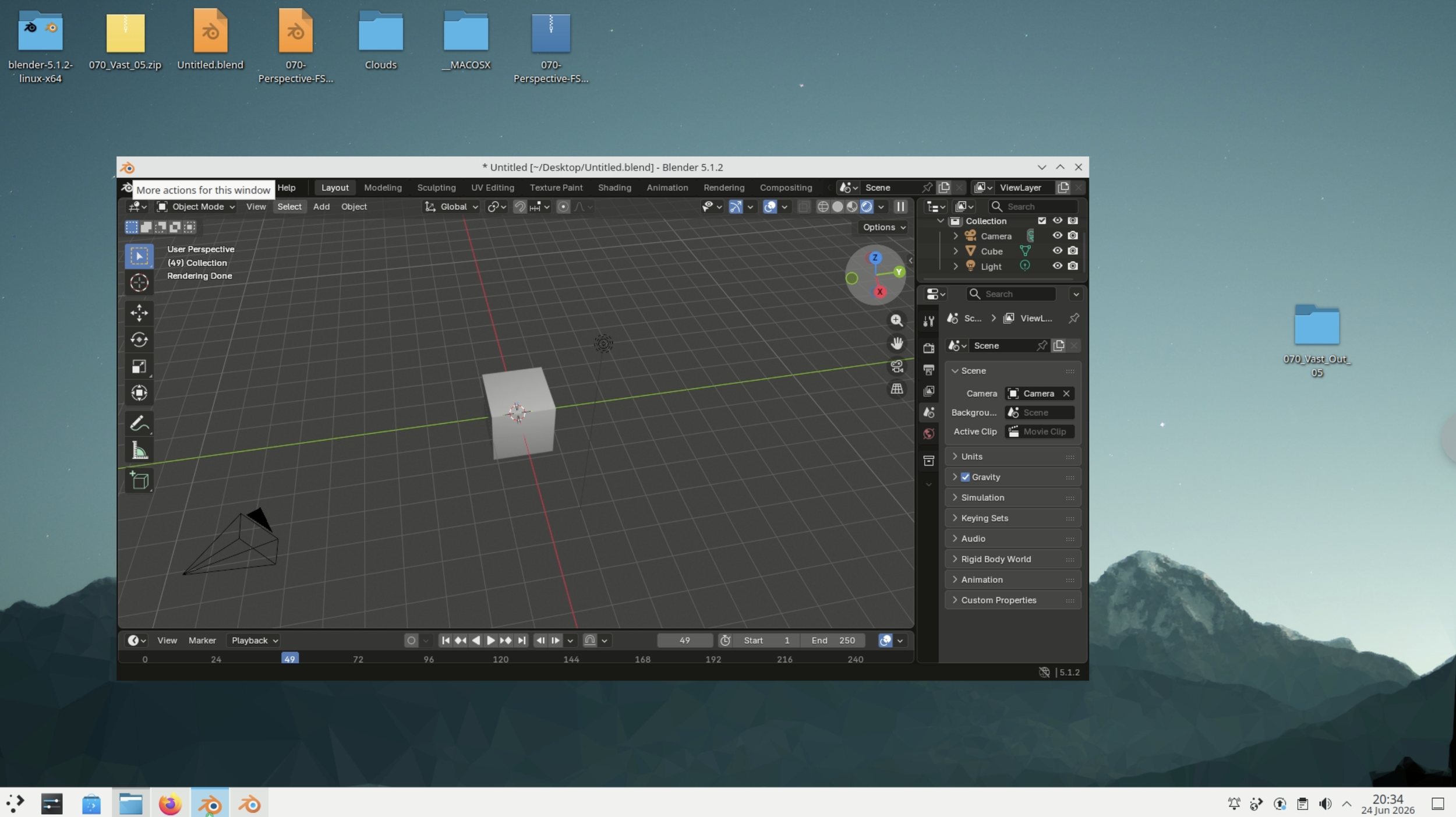
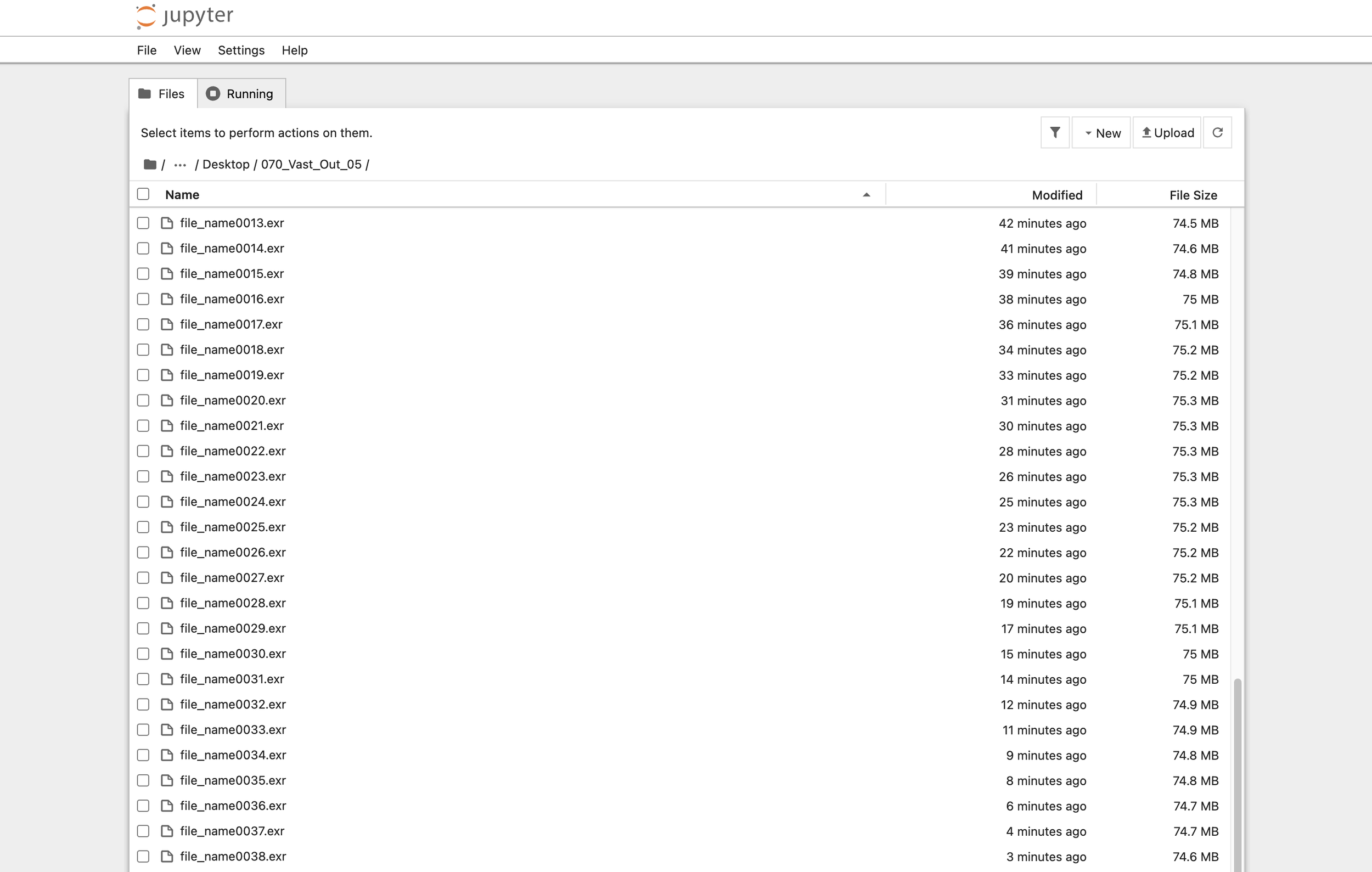
But one potential bright spot in this AI gold rush for 3D artists is the availability of render GPUs on the cloud. I’ve been experimenting with Vast.ai this week (they did not pay me to say any of this). It’s a service developed for AI enthusiasts, but can just as easily be used for Blender rendering. It’s basically a bunch of virtual Linux computers with GPUs in Alberta, Canada.
You can spin up an instance, install Blender on it in minutes, upload your files, and let your project cook on an NVIDIA 5090 for $.075 an hour. According to my calculations that’s about 1/7th to 1/10th the cost of a conventional render farm. Yes it takes more admin time, but once you get the hang of it, it’s not too bad.
Here’s a real quick walk-through:
How to do a Blender render on vast.ai

Have you tried something like this before?
Is Google Drive breaking your After Effects 2026 project?
If After Effects 2026 is moving incredibly slow, like two frames a second, it’s possible Google Drive is the culprit, especially if you’re collaborating with other artists.
When Google Drive isn’t configured right to download all the media from the project you’re working on, if it keeps some of it on “the cloud” until you need it, this is going to mess After Effects up.
Your AE project will still load, but you won’t be able to play any compositions that reference the media on the cloud. Google Drive will attempt to download your image sequence or video in realtime, as you play it. The lag is archeologically slow.
This is especially problematic when using EXR or PNG image sequences.
The solution: make sure all your assets are synced locally before opening After Effects. Don’t rely on Google Drive’s “on demand” download feature.

EXR file workflow for Blender 5.1 and After Effects 2026
Getting Blender EXR files to look right in After Effects is hard.
There were some good tutorials out there, but upon upgrading to Blender 5.1 I ran into problems, especially since I wasn’t ready to adopt an ACES workflow.
Problem 1
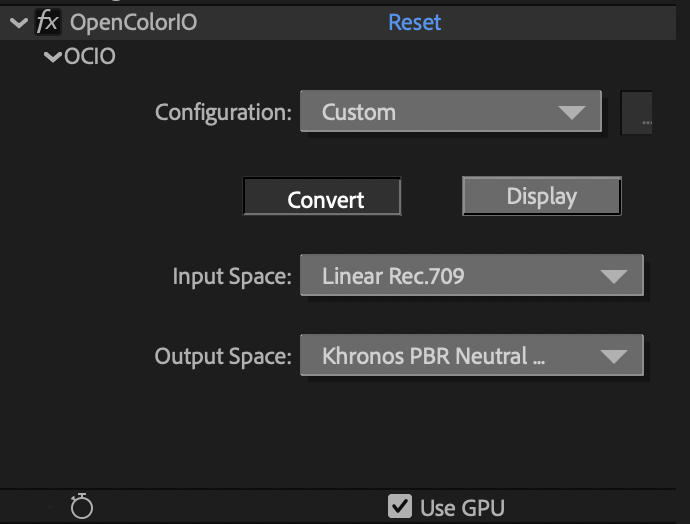
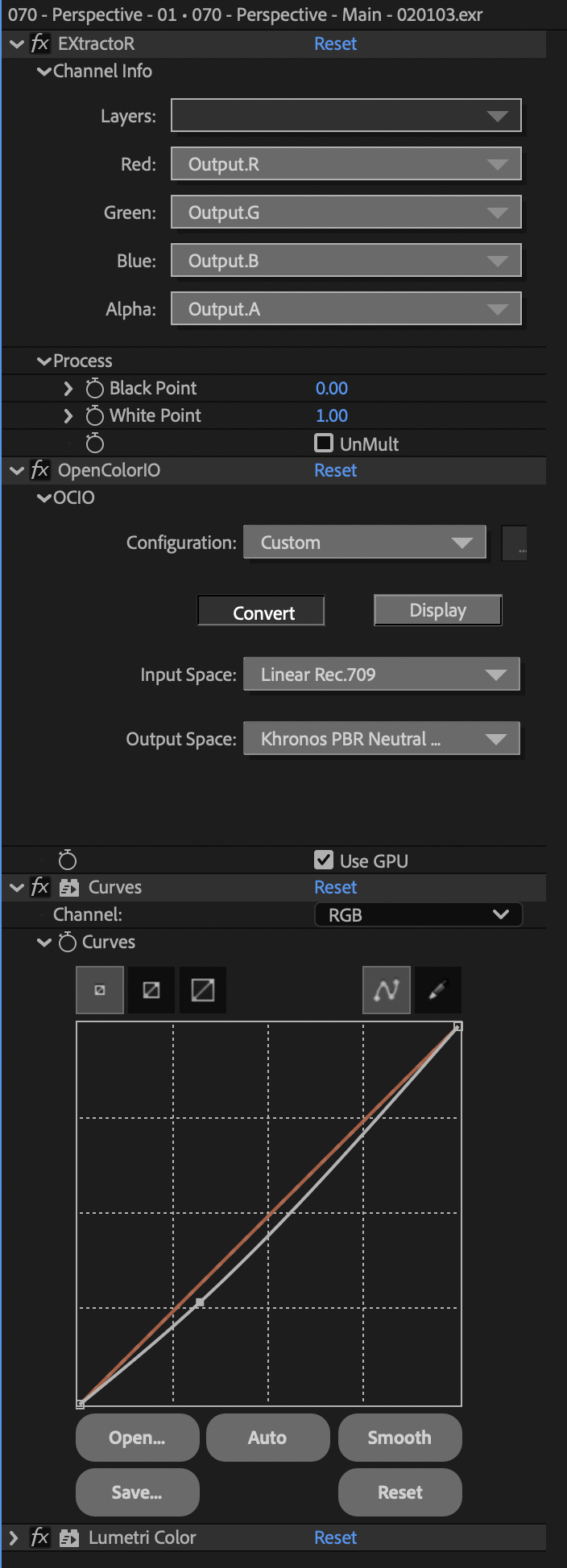
I wanted to stay in the “Adobe color managed” Color Engine and not have to use ACES, but still be able to use Blender color science in After Effects. Especially since I wanted to use the new Khronos PBR look.
Solution: The OpenColorIO plugin for After Effects is available on fnord.com, about halfway down the page. Follow the install instructions, but when you come to the info about the config.ocio file you have to replace that with Blender’s config.icio file (keep reading if you have issues with that).
Brendan at fnord offers this great resource for free. He notes it’s not needed anymore because of native OCIO support in After Effects, but I don’t like how Adobe implemented it in AE 2026, so his plugin still feels very helpful.
Problem 2
When I tried to load the Blender config.ocio file into the OpenColorIO plugin in After Effects, it kept giving me an error and crashing AE.
Solution: Don’t use the Blender 5.1 config.ocio file. Instead use an older Blender 4.x version of the config.ocio file.
Problem 3
On Mac you’re not able to access the config.ocio file as the Blender application is grayed out when you’re in the load file dialog box.
Solution: Copy the config.ocio file somewhere that’s easy to access along with the luts and filmic folders that are next to it.

Configuration Images

Spring in LA with the Nikon Fm2n
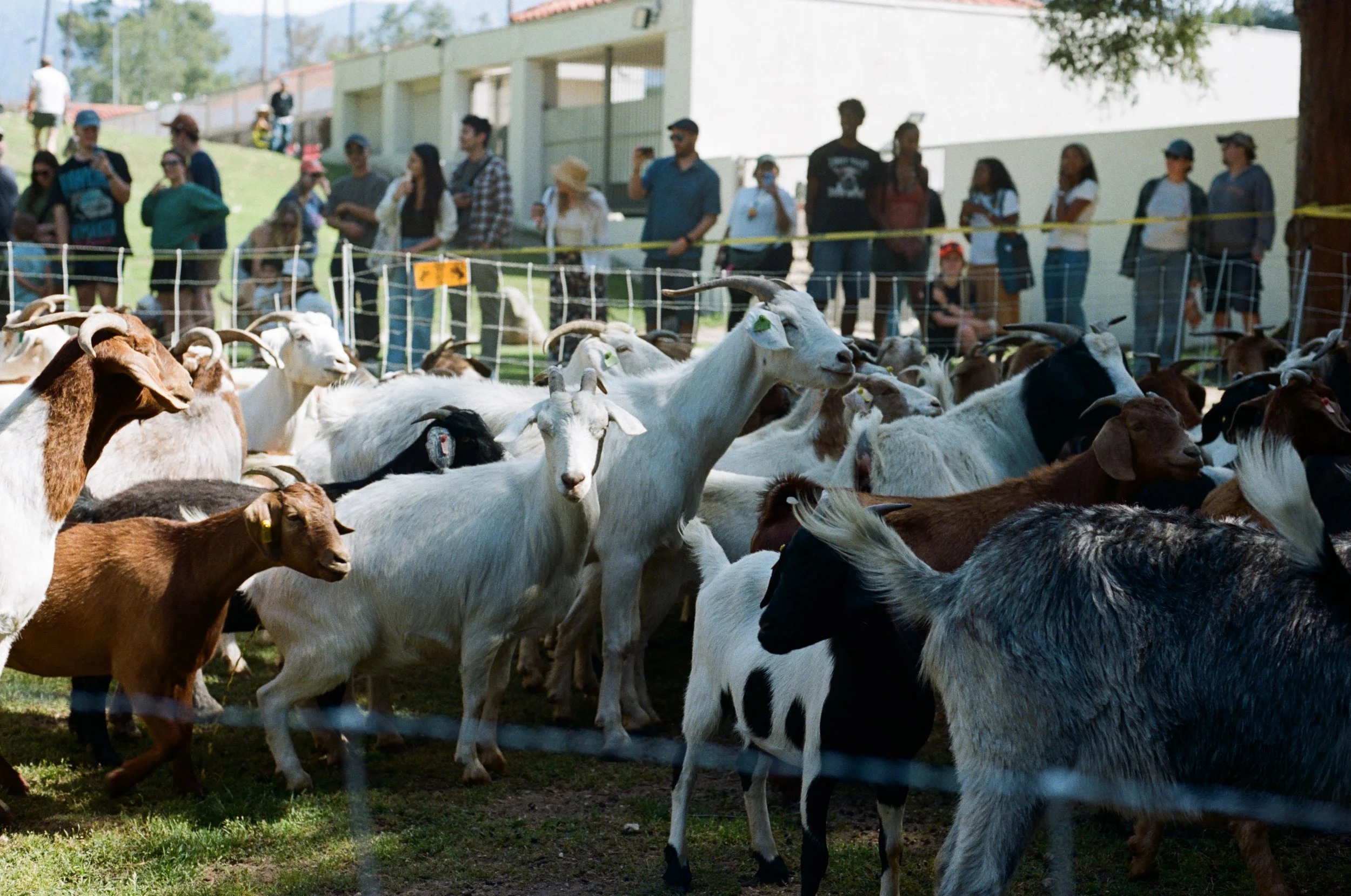
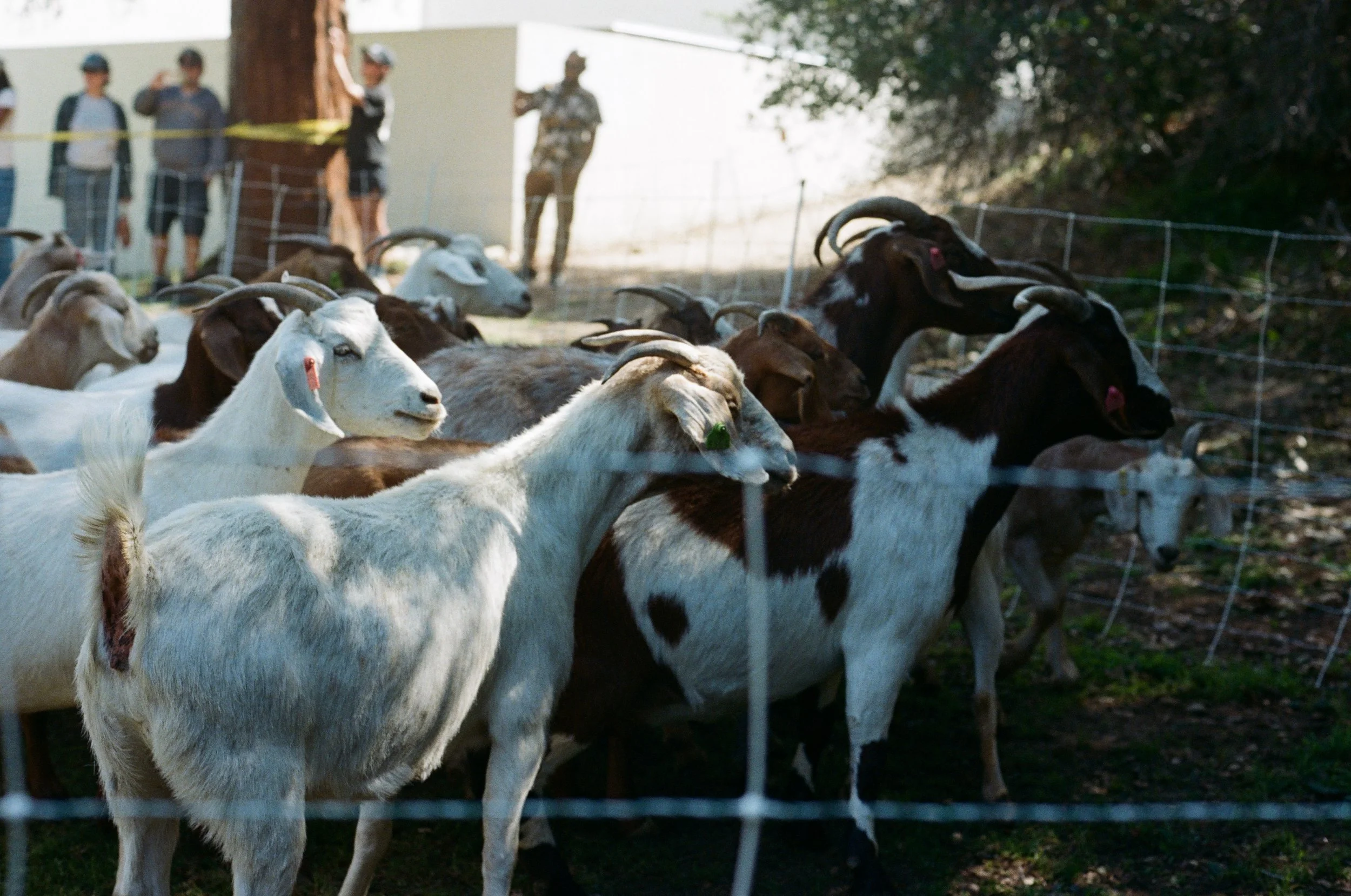
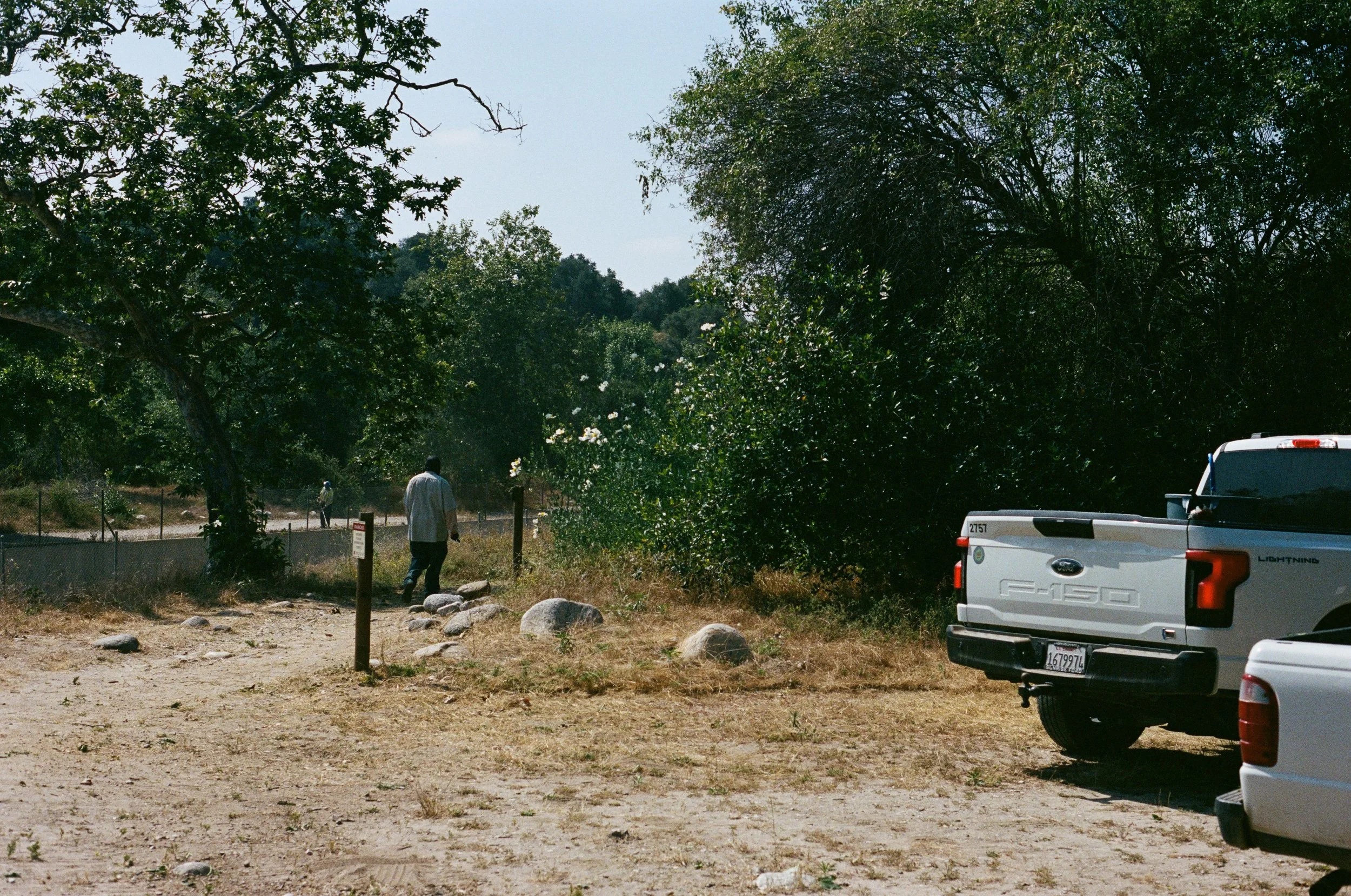
It’s 2026 and I keep burning money, taking pictures of garbage and flowers on a 40 year old Nikon film camera. It’s the same camera Steve McCurry used when he photographed “Afghan Girl” (Sharbat Gula) for the National Geographic. It’s not the pinnacle of 20th century engineering, but it’s a solid tool, fully mechanical, a brick of metal of glass.
The light meter is broken, but that’s OK, because the light in LA is consistent. You only need two settings: sun (f16) and shade (f4). And a forgiving film stock. What you see here is either Porta 400 or Gold.
I would have had more photos of the musicians, as they were gracious and not afraid of being photographed, but as soon as we started talking in broken spanglish they got called in by their leader to begin entertaining wedding guests.
The goats probably deserve their own post, they’re part of the city of Pasadena’s effort to reduce wildfire risk in the chaparral. Instead of using chemicals or machinery, they’ve hired hundreds of hungry goats to tear through the underbrush and entertain four year olds.
As long as I have breath and food, I will probably keep dumping money into Kodak film stock, but not the Wall Street one (it’s not doing so well).








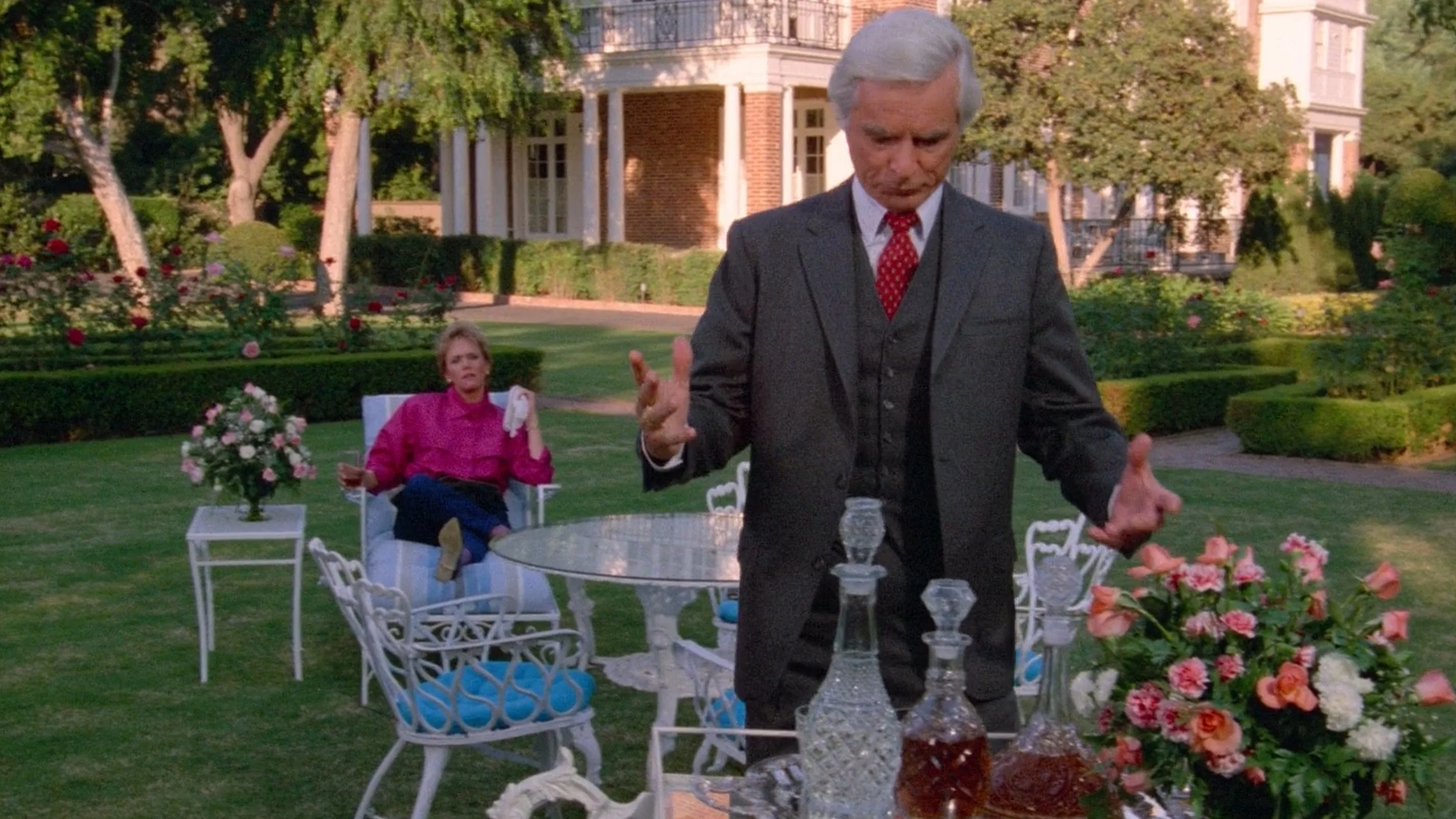
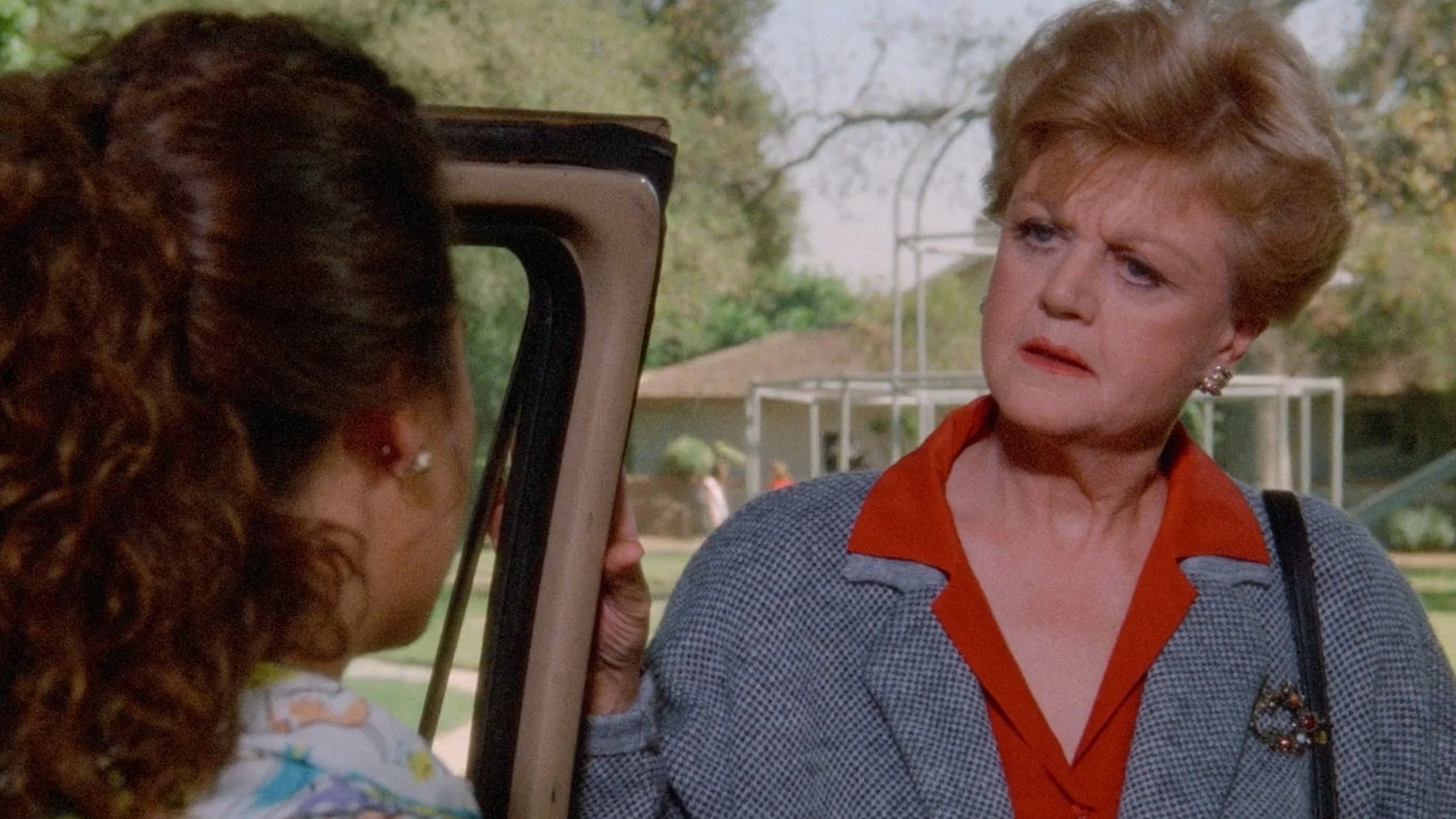
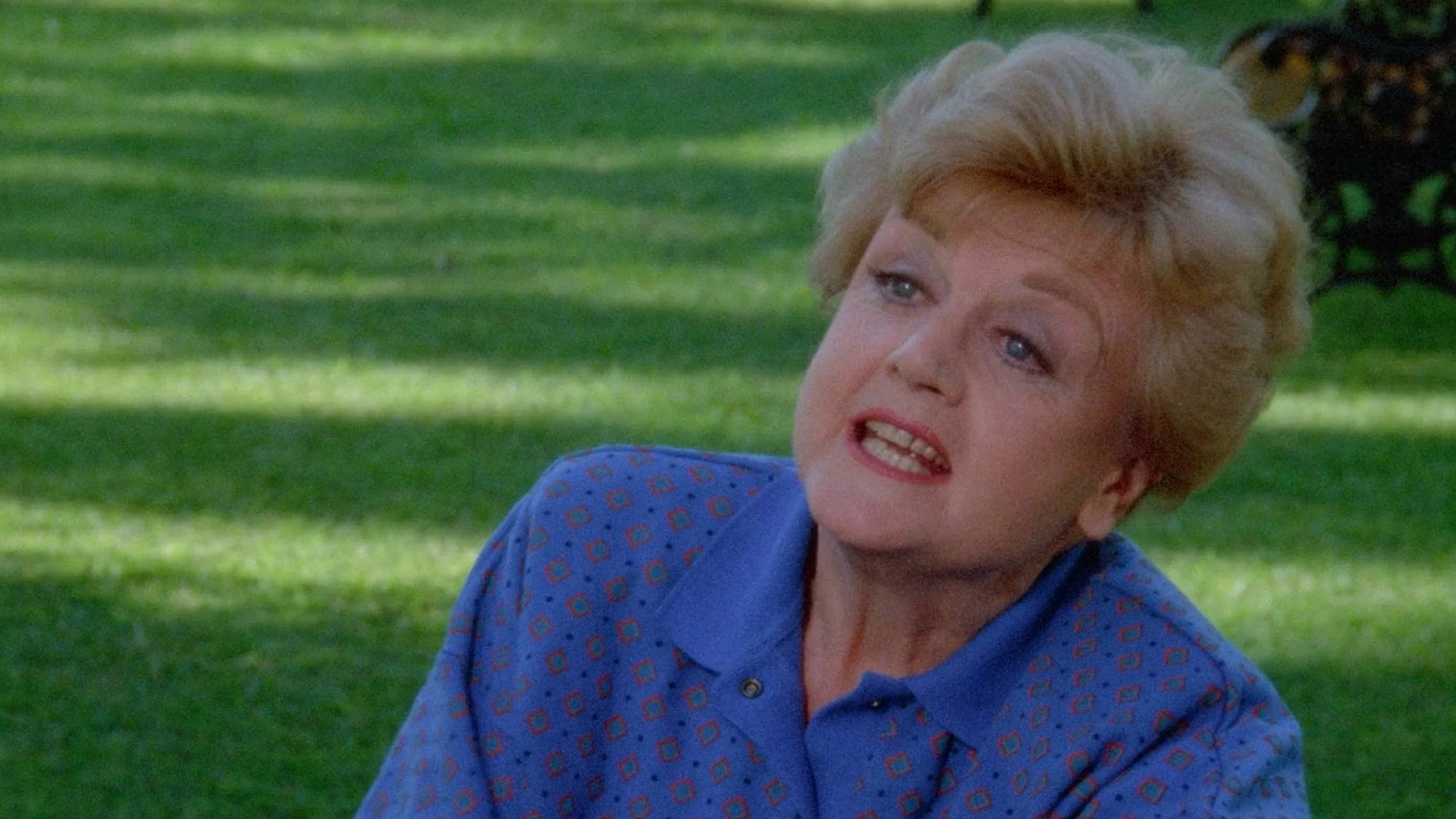
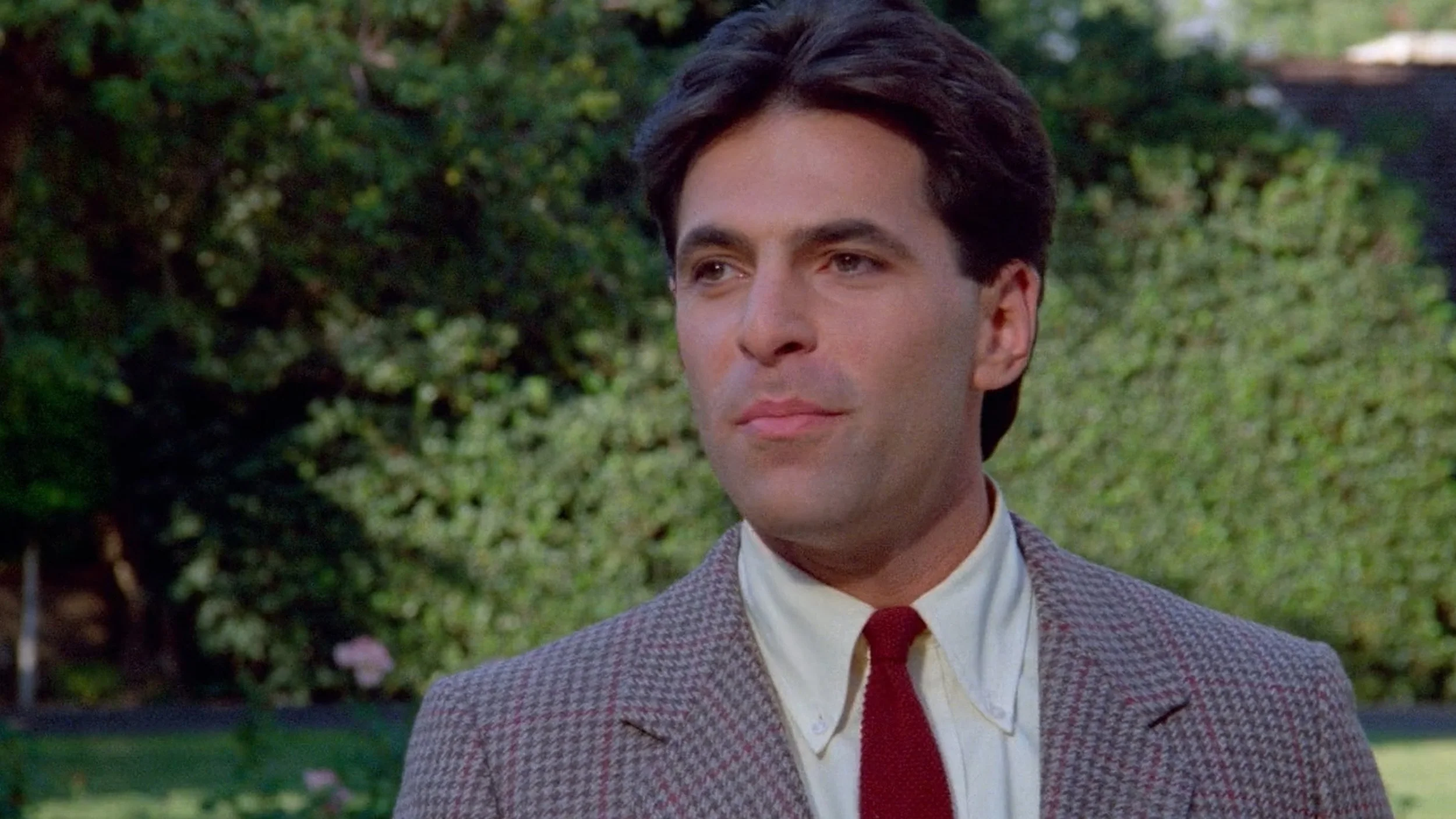
Why does Murder She Wrote still look so good?
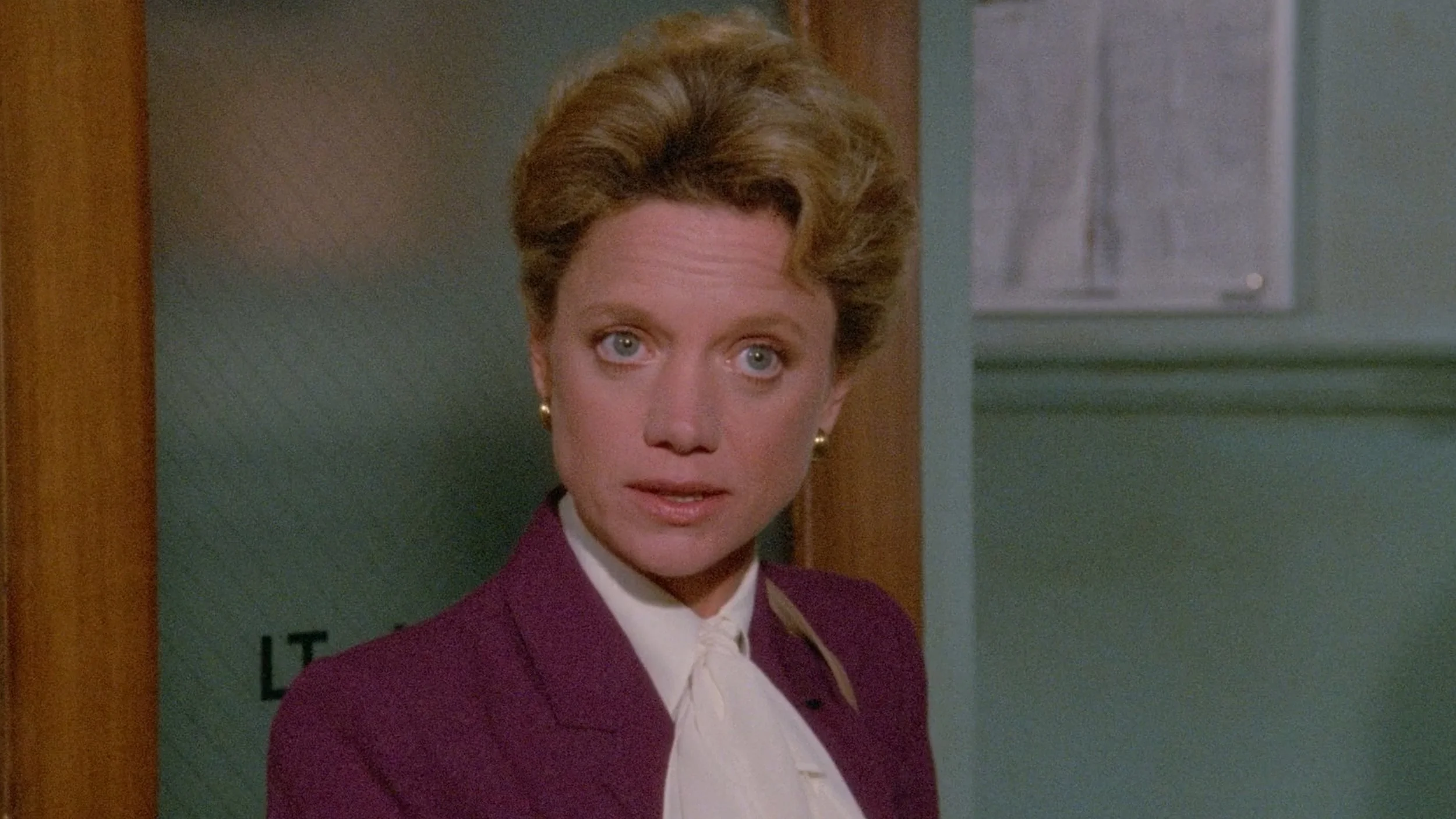
My family and I have been watching Murder She Wrote this winter and I’ve been blown away by how good some of the shots look, especially the exteriors. Of course there were a lot of great looking movies and shows in the 1980s, but what’s impressive about this one is how fast production had to move. I think they were filming each episode in one to two weeks.
The contrast, the color, and the je ne sais quoi of film create a look that’s hard to capture these days on digital.
In the video below I explore some elements that stand out and talk about what we might be able to learn from Murder She Wrote when it comes to indie filmmaking.

What is predatory UX Design?
User experience design (UX) is a subset of graphic design that plans the way people interact with websites, apps or other software. It asks questions like: where should “the big button” be, or how will people find “the cart”, or how hard should it be to cancel a subscription?
UX design can be optimized for different goals. You could create a design that maximizes ease of use. You could maximize for efficient operation (in the case of a tool). Or you could maximize for profit.
“Predatory UX design” is a phrase I’m using to refer to deliberate design choices a company makes in order to maximize profit in a way that is detrimental to the wellbeing, agency, time, or attention of real people.
Researcher Cory Doctrow would likely lump predatory UX design under his enshittification theory, that companies are not actively trying to be evil, but rather are incentivized by a lack of regulation and VC funding to make worse products.
Venial sins of UX design

Have you ever struggled to cancel your Netflix subscription? That’s predatory UX design. Subscription services purposely place their cancel buttons in difficult to find locations. While I don’t like it, this design choice kind of makes sense to me. I don’t think it falls in the category of a mortal internet sin.
But other design choices are more insidious. Here’s an example from Dropbox. A local company in my community used Dropbox to deliver film scans to me. In the delivery email the actual file sharing service (that the local company and I paid for) is small and broken, but Dropbox’s upsell is positioned as the primary decision for the user to make.
Mortal sins of UX design
In this video we see a mortal sin of predatory UX design. Shopify traps both the seller and the buyer. In order to get a simple tracking number the customer has to sign up for a third-party app that will likely sell their personal information, or use it for ad targeting or data analytics. There’s no easy way to opt-out and still get your tracking number.
Ethics of UX design
UX design is extremely important and it affects the lives of millions (if not billions) of people. For this reason companies and designers have a responsibility to think about ethics in their design, even if that reduces their profit by 1%. Perhaps the first step to solving this would be antitrust regulation. When companies can get away with predatory UX design like this, it probably means they are operating near monopoly.
Dream Layers - The (Not So) Secret to the Cinematic Look?
What makes a film or other piece of media “cinematic”?
People have been arguing about this online for two decades, especially as digital tools have democratized productions. The “cinematic look” has been a holy grail that filmmakers have tired to achieve using the right combination of lenses, LUTS, and filters. But I think the conversation has been missing something important. Instead of asking the question: do I have the right gear to make my footage look cinematic, we might start with this question: how am I going to transport my audience into an alternate reality? Into a dream.
“Cinema uses the language of dreams” - Federico Fellini
In this video I break down a theory I’ve been working on called Dream Layers, a phrase that refers to the layers of production needed to transport the audience into the world of the story. And I make the case there’s a reason analog film is still the north star for the look of movies, layers of them.
The Shame Economy - Part 1
Foreward
Philosophers like Byung Chul Han and Slavoj Žižek have written extensively on the way our current form of capitalism manufactures desire. I greatly appreciate their work, but I feel their psychological analysis around desire could use viewpoints other than just Freud and Lacan. Their work is missing a deep exploration of shame as both an internal and societal phenomenon. The following exploration is an attempt to begin to integrate shame into the philosophical conversation—informed by the work of Brené Brown, Richard C. Schwartz, and David Bedrick.
The Shame Economy
There’s a shadow economy operating in America. While our primary economy can optimistically be seen as the exchange of goods and services to meet human needs, or pessimistically as an exploitative and speculative system to meet corporate interests, there’s also something else at work: a system that’s harder to notice, but quite pervasive. This is the Shame Economy.
What is Shame?
I’m defining shame as both an emotion and a lens. Shame researcher Brené Brown calls shame an “intensely painful feeling or experience of believing that we are flawed and therefore unworthy of love and belonging”. Shame educator David Bedrick extends this concept, making the case that shame can become internalized, showing up as a “shaming witness”, a lens of self-judgement imparted by parents, culture, injustice, and trauma. Some psychologist might call this an inner-critic (Schwartz). Shame in this context can be thought of as holding both of these senses: a painful emotional experience and a pervasive, but often unnoticed, lens of negative judgment directed towards the self and others.
Shame is nothing new. It’s been with humanity for eons and has often been weaponized by powerful institutions like the church or state. But over the last century, the power to wield shame has moved into the hands of corporations. In the 20th century brands discovered that mass media can be used to manufacture shame and exploit our strong compulsion to escape it—thus The Shame Economy emerged.
Happy Ad People
In the Shame Economy big brands use the power of image and story to manufacture and manipulate shame. This is at the heart of modern advertising. Where announcing a new product might be innocent enough, most ads and brands go much further and tell us how we ought to see ourselves.
In previous generations elders, shamans, or clergy held the role of imparting a lens to view the self, but this is now done by advertising (and related media like some films/tv). Ads present us with people who appear to have transcended shame: glowing, confident, limitless, thin, young, financially unencumbered people in art-directed environments. These shame-free characters exist as impossible yardsticks, exemplars of “normal” that we measure ourselves up to. The curated images in advertising and other similar media, when compounded over a lifetime can become an internal panopticon-like lens (Han), judging our weaknesses, imperfections, differences, and failures as bad instead of normal and even sacred parts of the human experience (Bedrick). At our most vulnerable, brands inject a promise of salvation: buy our product and transcend your weakness to become limitless. Consumption is pitched as salvation from shame.
The Forbidden Fruit
Apple has been “saving” people for decades. Starting with their 1984 Olympics ad, directed by Ridley Scott, Apple positions itself as the path to enlightenment--the Macintosh will make its owners fully actualized humans compared to colorless crowds of subhuman drones. Apple’s shame manufacturing got more explicit in the early 2000’s “Get a Mac” ad campaign. These ads are lighthearted and charming, but they also expertly reinforce Apple’s worldview: Mac users are enlightened, PC users are dull. Even today the blue bubbles on our iPhones separate those who “think different” from the masses. Just by creating an “us” vs “them” dichotomy, Apple implies that to be a “them” is shameful. If the public perceives Apple as a pathway to escape shame (the shame they created), people will flock to their product like pilgrims looking for redemption.
In the Middle Ages the Church held the power to decide who belonged and who was to be shunned in society--now brands hold a similar power. And “forgiveness” comes through aligning with a brand and purchasing their product. The consequences of this are not academic. Teenagers can face bullying for having the wrong brand shirt or shoes. Adults purchase Teslas, iPhones, and Herman Miller, less for their usefulness and more for crafting an identity—often one that subconsciously involves escaping feelings of smallness or worthlessness. In a shame economy our feelings of worth and identity are determined by what we buy and the brands we align with. Perhaps it is this compulsion, this need to escape shame that drives desire within our current capitalist system. We’ve been trained to misinterpret relief from shame as happiness and freedom.
Self as Ad (Work in Progress)
With the advent of social media everyone now has access to the tools of mass media (not equally). This has allowed some very important voices to be heard and hilarious memes to be made. But the power to wield shame has also been “democratized”. It’s no longer only glossy corporate ads that manipulate our feelings of worthlessness, now many of us have become bit players in The Shame Economy. We present ourselves online as both ad and product for our own personal brands. Byung Chul Han calls this the “ego exhibited as a commodity“. Those who perform well enough, who have enough likes and followers, who’s bodies fit into norms shaped by a century of advertising, who’s ideas are polarized enough to get engagement, appear to transcend shame and weakness. They are the new icons of advertising, influencing our desires, telling us who to be. It’s no coincidence that social media platforms are ad-supported. The design of an ad and the design of a user-generated piece of content are presented in the exact same way.
This online objectification and commoditization of the self (Han) appears to have increased feelings of unworthiness and shame in our lives and in society. The person who feels like a loser because they don’t measure up to the likes or looks of their peers on TikTok is incentivized to try harder to be successful—to change their body, their style, their voice, their interests, to work harder to gain a following—in other words to labor without pay for a large corporation, not to gain food or clothing, but to escape feelings of worthlessness.
The Shame Economy has thrived on the internet.
Shame Sells
In The Shame Economy both advertising (traditional and social media) and pornography objectify women for profit in shame-relief programs for men.
In pornography, images of women (and men) are sold as consumable products not only to provide sexual pleasure, or numb mens’ loneliness, but also to relieve men from feelings of shame. For many men, consuming porn is the only time they feel good about themselves, the only place they experience a simulacrum of the unconditional acceptance they perhaps never received as children or teens. This shame relief dynamic is also central to the way sexuality is used in advertising. Axe Body Spray ads are less about having a fulfilling sexual experience with a woman and more about never feeling like a loser. Perhaps the male gaze is just as much about escaping shame as grasping for power—or maybe they’re related as power and violence is one way men try to “armor up” (Brown) against experiencing difficult feelings like shame.
The church and state of previous generations used shame to restrict the social roles and gender expressions available to women in order to serve the needs of men in power. But the Shame Economy has perhaps created an equally violent dynamic. Through advertising and other image-based media, The Shame Economy has dictated impossibly narrow standards that women must squeeze into in order to be desirable in our society as shame-relief “products” for men. Advertisers and corporations (and now influencers) have the power to set the norms of who counts as a “real” woman and who does not. Women who fall short of The Shame Economy’s impossible (and always changing) standards are rejected for not being hot enough, smart enough, hip enough, busy enough, successful enough, conservative enough, liberal enough, or nice enough. To fail in any of these ways is to no longer belong in the realm of “normal” and to be judged as not “desirable”--not having the necessary elements needed to relieve men from their shame. Women are shamed by The Shame Economy for not being “enough” to relieve men from their shame.
Philosopher Byung Chul Hul makes the case that in our current form of capitalism we have lost any sense of the truly erotic. Unlike the shame relief in porn and advertising, in his view, the truly erotic has negativity in it. A true encounter with the erotic is not always a comforting experience. Where the consumption of porn acts as an opiate covering over shame wounds, an actual relationship with an imperfect human can press into our wounds. It can wake us up to our own pain and shame. But many of us men who were raised in The Shame Economy can’t handle the cognitive dissonance of this negative element in the erotic. But it is this encounter with the strangeness and full dignity of the beloved that can spark change. Psychologist Richard Schwartz labels this dynamic as “partner as tor-mentor”. In this way, ironically, women actually can be a healing force in the lives of men, through resisting the objectifying logic of The Shame Economy, and insisting on their own full dignity as they are. This “negativity” will feel painful and unattractive to men raised on ads, social media, and porn, but this is a necessary detoxification from The Shame Economy’s promise of shame relief through consumption. Consumption of Shame Economy stories and porn are an “opiate of the masses” that keep us men from caring for our pain and growing up as individuals, partners, fathers, and compassionate members of our communities.
End of part 1.
Sign up if you’d like to get updates on this exploration over on the about page.

Holiday Motor Excursion - 2023
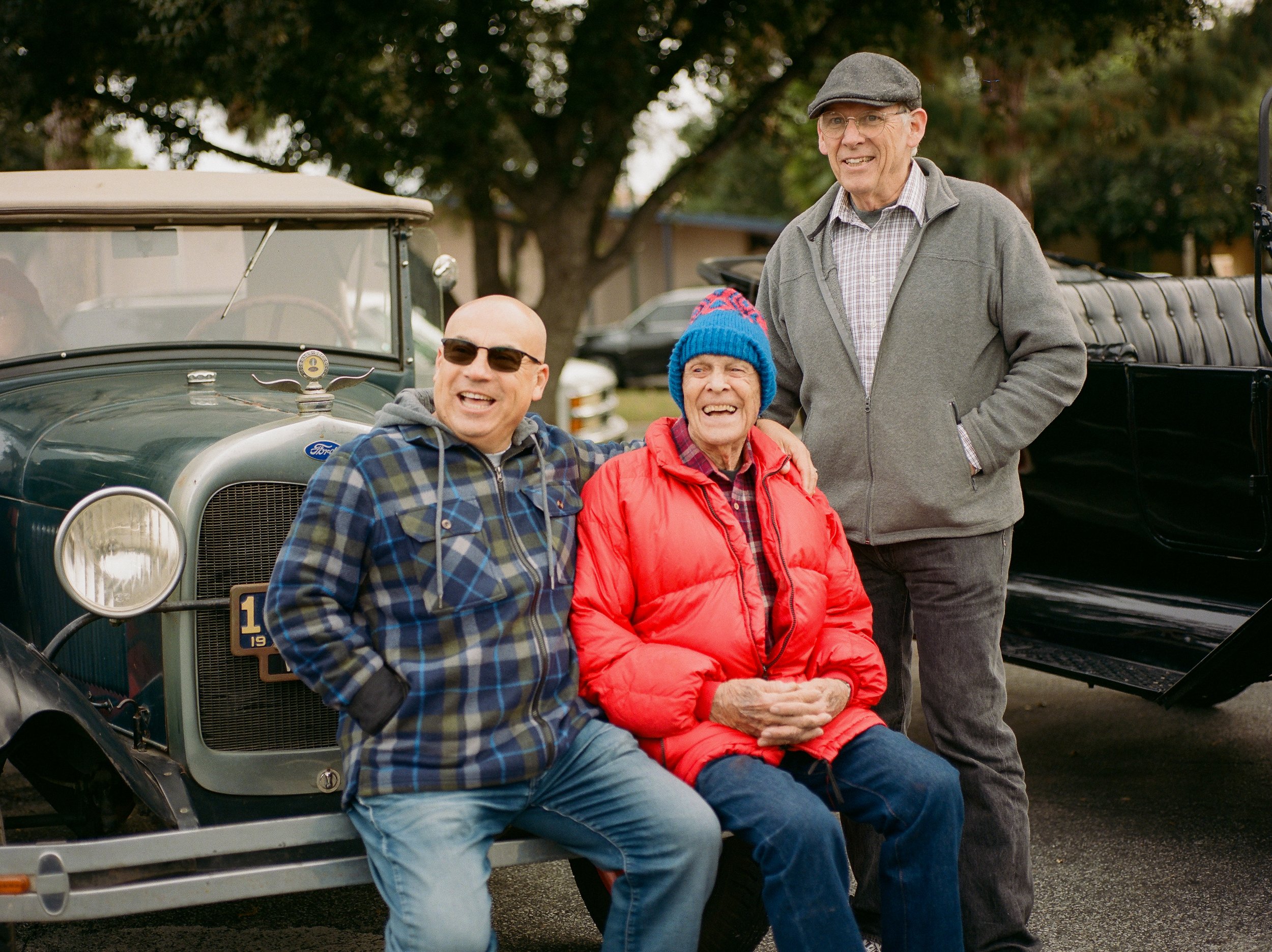
Every year the Horseless Carriage Club of Southern California puts on a Holiday Motor Excursion on December 31st. The car show has its roots in a 1950 Christmas day drive and takes place in Arcadia, CA. Here are some photos shot on Portra 400 film on a Mamiya 645. Can you spot Jay Leno?





Daydreams - Short Film
Children teach us to be present, to be open to the world as it really is: the tangible, the taste-able, the uninhabited expression of emotion. As adults we can't continually live like children—we would ruin our lives, but we might also ruin them if we don't take time to slow down and enter the ever-present world of the child. It's a place where we are worthy of all good things without lifting a finger to earn them. This short film was shot on a hand-crank 1959 Bolex 16mm Rex 1 cinema camera on expired Kodak Vision3 250D and Kodak Vision3 50D motion picture film. The film was developed and scanned by Pro8mm in Burbank, CA. Editing was done in DaVinci Resolve
Film and Book Recommendations
Film
Dream Scenario - 8.5/10
Directed by Kristoffer Borgli
Nick Cage goes viral in all our dreams.
Shot on 16mm film
Books
Starfish - 9/10
by Lisa Fipps
A fat girl in Texas faces bullies and her mom to claim her dignity to take up space in the world.
Required reading. All the feels.
Crashing Through Salal - Microphones in 2020
I didn't know about Phil Elverum when I graduated from Anacortes High School in 2003. I had no idea I had crashed through the same Salal bushes and driven the same curve around Heart Lake as a great American folk musician.

But I do now. I've spent the last month with Phil's latest album, "The Microphones in 2020". The record consists of one 44 minute song. It's a meditation on Phil's life-long relationship with music, but it's also something more -- an ode, or a lament, on the fragile experience of being a human. And if we need anything in 2020, we need artists that help us navigate our uncertainty and fragility.
While I didn't know Phil growing up, I knew his brother.
I spent my early teenage years saturated in evangelical pop culture. There was a poster in youth group that suggested Christian alternatives to "secular" musicians. If you were a fan of Dave Matthews, the poster recommended replacing him with Third Day. You could dip your toe in the devil's music without getting too wet. And I did dip my toe. I went to evangelical Christian concerts, I bought evangelical music, I read evangelical books. And in 2004 when I turned 18, I voted for the evangelical President: George W Bush.
Around the same time I started attending Skagit Valley Community College. It was a 30 minute commute from Anacortes. Phil's brother was also taking classes at the college. We started ridesharing. I used to shuttle him in my Nissan Hardbody, past the casino, and across cabbage fields -- slipping through pockets of fog, and flocks of geese. I would often subject Phil's brother to the latest Christian pop-punk albums, hoping he might discover Jesus in the tight basslines. Even though Phil's brother never found any first-century Jewish rabbis in my stereo, I did witness a miracle. Despite being in a family of musical geniuses, Phil's brother never said anything negative about my music, he never took offense, instead he showed me acceptance.
Now it's 2020 and in Phil’s words “nothing stays the same“. I don't listen to Christian pop-punk anymore. I don't ride past geese anymore with Phil's brother. But I am finding that same sort of acceptance in Phil Elverum's latest album. "Microphones in 2020" is a work about "standing on the ground looking around", a commentary on human existence in all its paradoxes and uncertainties. But instead of devolving into complete despair, or reaching for vapid platitudes, Microphones does something different: it faces the storm of existence bare-chested with eyes wide open. It accepts reality as it comes, sometimes even with gentleness, and perhaps hope.
"When I took my shirt off in the yard I meant it, and it's still off. I'm still standing in the weather looking for meaning in the giant meaningless days of love and loss repeatedly waterfalling down. And the sun relentlessly rises still." - Phil Elvrum
Bandcamp Link: https://pwelverumandsun.bandcamp.com/album/microphones-in-2020